Introduction
In 2026, the gaming landscape continues to evolve rapidly, with Android devices being a key player in the gaming community in Malaysia. However, one of the most frustrating issues that gamers face is game lag. This phenomenon can turn an exhilarating gaming experience into a frustrating ordeal. Whether you're battling it out in a multiplayer arena or exploring vast open worlds, lag can hinder your performance and enjoyment. Understanding the nuances of game lag and knowing how to fix it on your Android device is essential for any serious gamer.

Understanding Lag
Game lag refers to the delay between a player's action and the game's response. This can manifest as latency, frame drops, or stuttering, all of which can severely disrupt gameplay. In multiplayer games, lag can be especially detrimental, leading to missed shots or failed maneuvers, impacting your overall gaming performance.
There are various types of lag that players may experience:
- Network Lag: Caused by poor internet connectivity, leading to delays in data transmission.
- Frame Rate Drops: A decrease in frames per second (FPS) can make the game appear choppy.
- Input Lag: The delay between a player's input and the game's reaction can frustrate players.

Common Causes
Identifying the root causes of game lag is the first step towards a solution. Here are some of the most common culprits:
- Network Issues: An unstable Wi-Fi connection or slow mobile data speeds can result in significant lag. This is particularly common for online games that rely on real-time data exchange.
- Device Performance: Older Android devices may struggle with newer games that require higher processing power. Insufficient RAM or CPU performance can lead to frame drops and stuttering.
- Game Settings: High graphics settings can overwhelm your device’s capabilities, causing lag. Adjusting these settings can often yield immediate improvements.
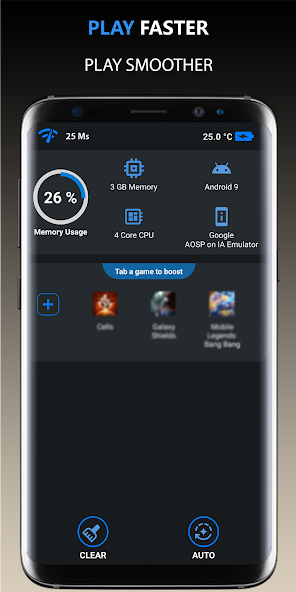
Solutions and Fixes
Now that we understand what causes game lag, let’s explore practical solutions to fix these issues on your Android device:
1. Optimize Network Settings
Ensure that you have a stable internet connection. If you're using Wi-Fi, try moving closer to the router or switching to a less congested channel. For mobile data users, ensure that you have a strong signal and consider turning off background data for other applications to prioritize your game.
2. Update Your Device
Keeping your Android operating system and games updated is crucial. Developers frequently release patches that fix bugs and improve performance. Check for updates regularly in the Google Play Store and your device settings.
3. Adjust Game Graphics Settings
Most games offer a variety of graphics settings. Lowering these settings can significantly reduce lag. Look for options like texture quality, shadow effects, and resolution. Reducing these can help your device run more smoothly.
4. Clear Cache
Over time, apps accumulate cache data that can slow down performance. Regularly clearing the cache for your games can improve loading times and reduce lag. To do this, go to Settings > Apps > [Your Game] > Storage > Clear Cache.
5. Free Up Device Storage
If your device is running low on storage, it can negatively impact performance. Delete unnecessary files, uninstall unused apps, and consider transferring media files to an external source. Aim to keep at least 15-20% of your storage free for optimal performance.
Conclusion
Game lag is a common issue that can affect any Android gamer, but with the right knowledge and tools, it can be effectively managed. By understanding the causes and implementing the fixes discussed, you can enhance your gaming experience in 2026. Remember, optimizing your Android device for gaming is not just about hardware; it also involves network settings, game configurations, and regular maintenance. So, take the time to implement these solutions, and enjoy a smoother, more enjoyable gaming experience.
FAQ
What causes game lag on Android?
Game lag on Android can be caused by a variety of factors including network issues, device performance limitations, and inappropriate game settings. Poor internet connectivity, an older device unable to handle modern games, and high graphics settings can all contribute to lag.
How can I optimize my Android for gaming?
To optimize your Android for gaming, ensure you have a stable network connection, keep your device updated, adjust game graphics settings to lower levels, clear the cache regularly, and maintain sufficient storage space. These steps can significantly enhance your gaming performance.