Top Tips to Reduce Ping in Malaysia for Better Gaming Experience
For gamers in Malaysia, a seamless gaming experience is paramount. One of the most significant challenges faced is high ping, which can lead to frustrating lag and unresponsive gameplay. Understanding how to reduce ping Malaysia is essential for elevating your performance in online gaming. In this guide, we'll explore the causes of high ping, practical tips to address it, and the role of tools like VPNs in optimizing your gaming experience.

Causes of High Ping
Understanding the factors that contribute to high ping is the first step in effectively tackling it. Here are some common reasons that Malaysian gamers might encounter:
- Network Congestion: During peak hours, many users are online, leading to congestion. This is especially common in urban areas like Kuala Lumpur and Penang, where internet infrastructure can be maxed out.
- Poor Infrastructure: Some regions in Malaysia may still rely on outdated internet infrastructure, leading to higher latency and slower speeds. Providers like Unifi and Maxis are continually improving their services, but not all areas benefit equally.
- Distance to Game Server: The physical distance between your location and the game server plays a significant role. If the server is located far from Malaysia, the data packets take longer to travel, increasing ping.
- WiFi Interference: Other electronic devices, walls, and even furniture can interfere with WiFi signals, resulting in increased latency. This is particularly relevant for those using WiFi instead of wired connections.
- Background Applications: Programs running in the background, such as downloads or streaming services, can consume bandwidth and contribute to higher ping.
Tips to Reduce Ping
Now that you know the causes, let's look at practical steps you can take to reduce your ping:
- Use a Wired Connection: Whenever possible, connect your gaming device directly to your router using an Ethernet cable. This often provides a more stable and faster connection than WiFi.
- Close Background Applications: Before starting your gaming session, ensure that no unnecessary applications are running in the background. This frees up bandwidth and focuses your internet speed on gaming.
- Choose Local Servers: When given the option, select gaming servers that are located closer to Malaysia. This reduces the distance data has to travel and can significantly lower ping.
- Optimize Router Settings: Access your router’s settings to prioritize gaming traffic or adjust Quality of Service (QoS) settings to ensure your gaming packets get priority.
- Upgrade Your Internet Plan: If you consistently experience high ping, consider upgrading to a higher speed plan with your provider. Unifi and Maxis offer various plans that could suit your needs better.
Using VPNs
Another effective method for reducing ping is using a VPN (Virtual Private Network). Many gamers have reported that services such as ExpressVPN and NordVPN help in minimizing ping times. Here’s how it works in the Malaysian context:
- Bypass ISP Throttling: Some Internet Service Providers may throttle speeds during peak usage times. A VPN can help mask your activity, potentially avoiding throttling.
- Access to Better Routes: VPNs can reroute your connection through servers that may be less congested, which can lead to lower ping times.
- Improved Security: VPNs encrypt your internet traffic, providing an added layer of security while gaming, particularly when using public WiFi.
However, it's crucial to choose a VPN that has a strong reputation for speed and reliability. Not all VPNs are created equal, and some may even increase your ping, so do your research before selecting one.
Testing Your Connection
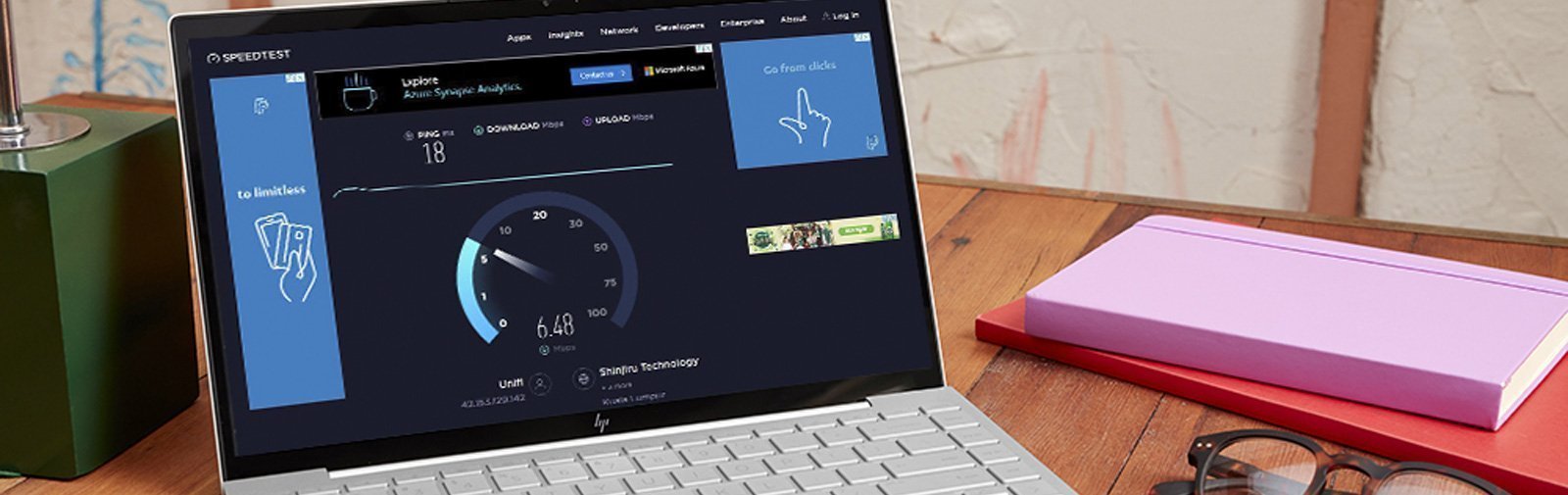
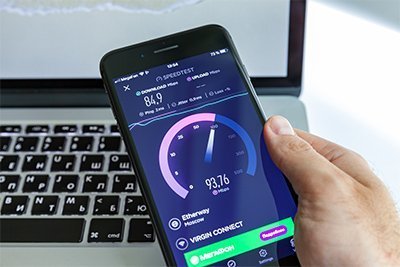
To effectively manage your ping, it's essential to regularly test your connection. Knowing your current ping and internet speed can help you understand how changes impact your gaming experience. Here’s how to do it:

- Use Speed Test Websites: Websites like Ookla's Speedtest or Fast.com allow you to measure your ping and overall internet speed. Simply visit the site and click the 'Go' button to start.
- Ping Test Command: On Windows, you can use the command prompt. Type `ping google.com` to see your ping response time to Google's servers.
- Monitor Regularly: Keep track of your ping at different times of the day to identify patterns and possible congestion periods.
Improving WiFi Signal
If you're relying on WiFi for gaming, enhancing your WiFi signal can significantly help to reduce latency. Here are some practical tips to improve your WiFi signal at home:

- Position Your Router Strategically: Place your router in a central location in your home, away from walls and obstructions, to maximize coverage.
- Limit Interference: Keep your router away from other electronic devices that may cause interference, such as microwaves and cordless phones.
- Upgrade Your Router: If your router is several years old, consider investing in a newer model that supports the latest WiFi standards (WiFi 6 is recommended).
- Use WiFi Extenders: If your home is large or has dead zones, consider using WiFi extenders to broaden your network coverage.
Frequently Asked Questions
What is a good ping for gaming?
A good ping for online gaming is typically around 20-50 ms. Anything below 20 ms is excellent, while ping over 100 ms may lead to noticeable lag and affect gameplay negatively.
What factors affect ping?
Several factors can influence ping, including network congestion, server distance, the quality of your internet connection, and the type of connection (wired vs. wireless). Background applications and the performance of your router also play a crucial role.
By following these tips and understanding the factors that affect your ping, you can significantly enhance your gaming experience in Malaysia. Whether you're playing competitive games or just having fun with friends, a lower ping means a smoother, more responsive gameplay experience.