For gamers in Malaysia, experiencing high ping can be the difference between victory and defeat. With many gamers relying on online multiplayer games, understanding how to reduce ping is essential. High latency can lead to frustrating gameplay, making it vital for the Malaysian gaming community to find effective solutions. In this article, we’ll explore the causes of high ping, provide actionable tips to mitigate it, and discuss the role of VPNs in enhancing your gaming experience.

Causes of High Ping
Before we discuss how to reduce ping, it's essential to understand what causes it. In Malaysia, several factors contribute to high latency:
- Network Congestion: During peak hours, many users accessing the internet simultaneously can lead to congestion. This is particularly common in urban areas like Kuala Lumpur and Penang.
- Geographical Distance from Servers: If you are gaming on servers located far away, the data has to travel longer distances, resulting in increased ping. Choosing local servers whenever possible can help.
- ISP Limitations: Some internet service providers (ISPs) like Unifi and Maxis may have throttling policies that can affect your connection speed and ping.
- Outdated Hardware: Using older routers or network adapters can hinder your internet speed and contribute to high latency.
- WiFi Interference: Obstacles such as walls or other electronic devices can weaken your WiFi signal, leading to higher ping.
Tips to Reduce Ping
Now that you know the causes, let's dive into actionable tips tailored for gamers in Malaysia:
- Upgrade Your Hardware: Consider investing in a quality gaming router that supports the latest WiFi standards (like WiFi 6). A better router can handle multiple connections more effectively, reducing ping.
- Use Ethernet: Connecting your gaming device directly to your router with an Ethernet cable significantly reduces latency compared to WiFi.
- Adjust Network Settings: Tweaking your router settings by enabling QoS (Quality of Service) can prioritize gaming traffic. This ensures your gaming packets are sent first, reducing ping.
- Close Background Applications: Before gaming, make sure to close any applications that may be using your internet connection in the background, such as streaming services or downloads.
Using VPNs
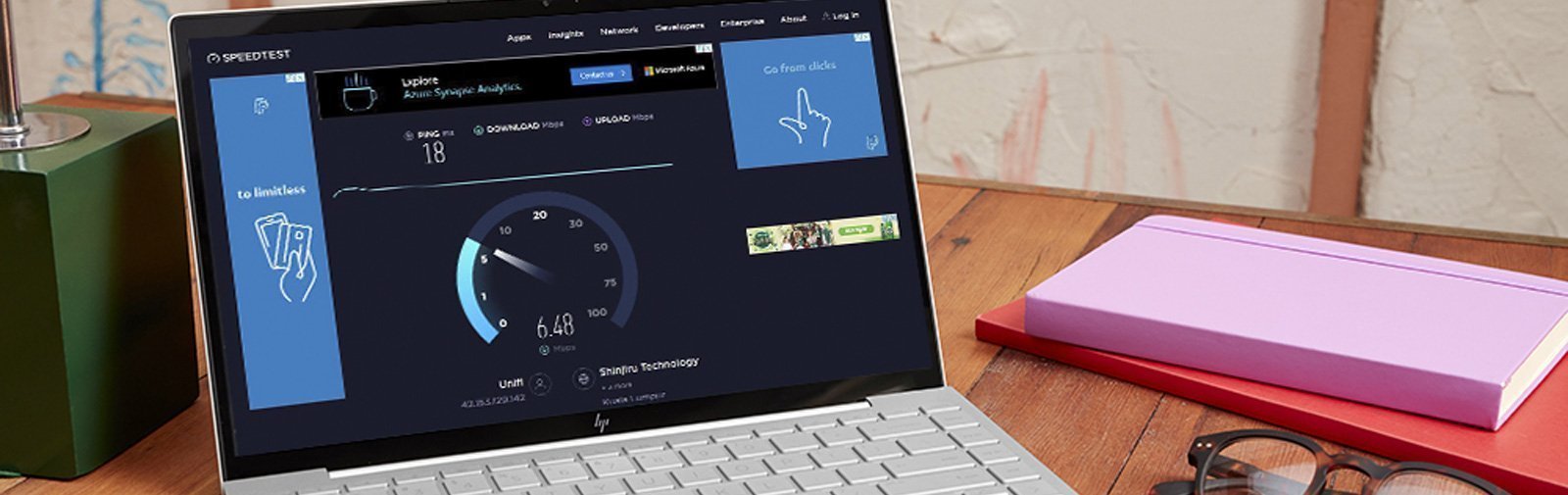
Many gamers are turning to VPNs as a solution for reducing ping. Services like ExpressVPN and NordVPN can mask your IP address and reroute your traffic through optimized pathways. This can help reduce latency, especially when connecting to international servers. Here’s how a VPN can be beneficial:
- By selecting a VPN server closer to the game server location, you can often reduce the distance data has to travel.
- Some VPNs offer specific servers optimized for gaming, which can lead to a more stable connection.
- A VPN can help bypass throttling imposed by ISPs, providing a more consistent internet speed.
However, it’s important to choose a reputable VPN service to ensure minimal impact on your speed. Try out a few options to see which works best for your gaming needs.
Testing Your Connection
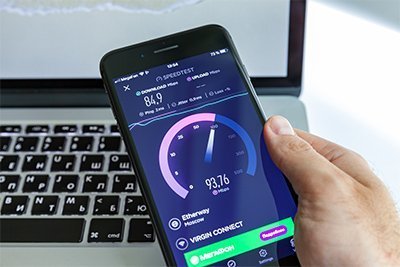
To effectively manage ping, it’s crucial to regularly test your internet connection. Here’s how to do it:
- Use Ping Test Websites: Websites such as Speedtest.net or Pingtest.net can help you check your ping and overall internet speed.
- Check Server Locations: Make sure you are testing your ping with the server locations that you typically use in your games.
- Monitor During Gameplay: Use in-game tools or network monitoring software to check your latency during gaming sessions.
Improving WiFi Signal
A strong WiFi signal is crucial for reducing ping, especially for those using wireless connections. Here are some effective methods to enhance your WiFi signal at home:
- Position Your Router Wisely: Place your router in a central location, away from walls and obstructions, to ensure an even signal distribution.
- Limit Interference: Keep electronic devices away from your router and consider changing your WiFi channel to avoid interference from neighboring networks.
- Use WiFi Extenders: If you have a large home, consider using WiFi extenders to boost the signal in hard-to-reach areas.

FAQ
What is a good ping for gaming?
A good ping for gaming is typically under 50ms. Anything between 50ms to 100ms is generally acceptable, but above 100ms can lead to noticeable lag, especially in fast-paced games.
What factors affect ping?
Ping can be affected by several factors, including network congestion, geographical distance from the game server, router quality, and the type of connection (wired vs. wireless).
By implementing the tips outlined above, Malaysian gamers can significantly enhance their gaming experience by reducing ping and improving internet speed. Whether it's upgrading hardware, using a VPN, or optimizing your WiFi, there are numerous strategies available to ensure smoother gameplay.