Top 5 Strategies to Reduce Ping in Malaysia for Gamers in 2026
In the ever-evolving landscape of online gaming, maintaining a stable and low ping is crucial for a seamless gaming experience. For gamers in Malaysia, high ping can often be a frustrating barrier to enjoying popular titles like Dota 2, League of Legends, and Call of Duty. But fear not! In this guide, we will explore effective strategies to reduce ping, tailored specifically for the Malaysian gaming community in 2026.

Causes of High Ping
Before diving into solutions, it’s essential to understand what causes high ping. Several factors can contribute to increased latency in Malaysia:
- Network Congestion: During peak hours, internet traffic can spike, leading to congestion. This is particularly common in urban areas like Kuala Lumpur and Petaling Jaya, where many gamers are online simultaneously.
- Geographical Distance: The physical distance between your home and the gaming server can significantly affect ping. If the server is located far away, data takes longer to travel back and forth.
- ISP Limitations: Different Internet Service Providers (ISPs) like Unifi and Maxis may have varying levels of infrastructure, affecting internet speed and connection stability.
- WiFi Interference: Other devices in your home, such as microwaves or Bluetooth gadgets, can interfere with your WiFi signal, increasing latency.
- Hardware Limitations: Outdated routers or insufficient bandwidth can also lead to higher ping rates.
Tips to Reduce Ping
Now that we’ve identified the causes, here are actionable tips tailored for Malaysian users to reduce ping effectively:
- Optimize Router Settings: Access your router settings by entering its IP address in your web browser. Look for QoS (Quality of Service) settings, which allow you to prioritize gaming traffic over other types of internet usage.
- Connect via Ethernet: For the best performance, use a wired connection instead of WiFi. Ethernet connections are generally faster and more stable, greatly reducing ping.
- Choose the Right ISP: If you consistently experience high ping, consider switching to an ISP known for good gaming performance. Research user reviews and performance reports for ISPs in your area.
- Limit Background Applications: Close any unnecessary applications or downloads that might be using bandwidth while you game. This ensures that your gaming bandwidth is maximized.
- Regularly Restart Your Router: Restarting your router can clear temporary issues. Make it a habit to do this weekly to maintain optimal performance.
Using VPNs
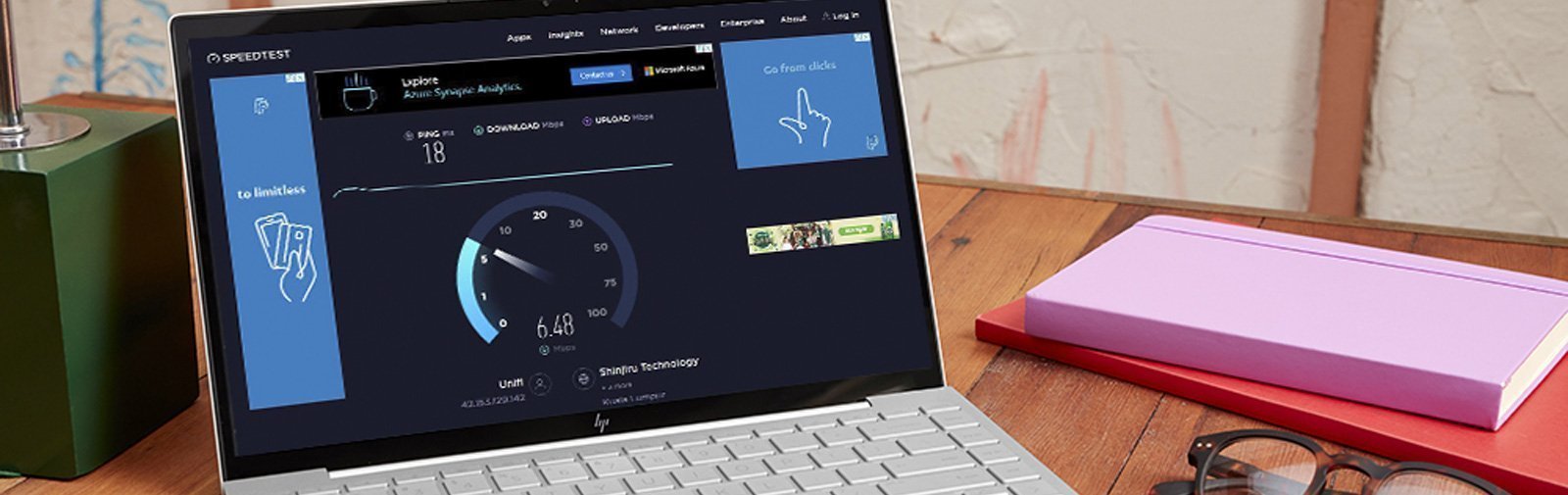
Many gamers are turning to Virtual Private Networks (VPNs) to improve their gaming experience. Services like ExpressVPN and NordVPN can help reduce ping in certain situations. Here’s how:
- Direct Routing: VPNs can provide a more direct route to the game server, bypassing congested paths that traditional connections might take. This can lead to lower ping times.
- Server Selection: With VPNs, you can select servers closer to the gaming servers, which can significantly reduce latency. For instance, if you're playing on a server located in Singapore, connecting to a VPN server in Singapore might yield better results.
- Enhanced Security: While reducing ping, VPNs also provide an added layer of security, protecting your connection from DDoS attacks and other online threats.
Testing Your Connection
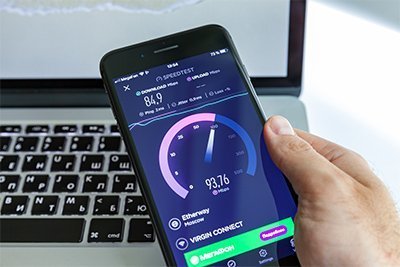
To effectively manage your ping, it’s important to regularly test your internet connection. Here’s how you can do this:
- Ping Test Websites: Use online tools such as Speedtest.net or Ping Test to check your ping and latency. These sites give you a clear view of your current connection quality.
- In-Game Testing: Many games have built-in tools to show ping. Check the settings or options menu for any performance metrics.
- Record Your Results: Keep track of your ping at different times of the day and under various conditions (wired vs. wireless). This data can help you identify patterns and make informed decisions about optimizing your setup.
Improving WiFi Signal
For those who rely on WiFi, improving your signal can directly affect your ping. Here are some tips to enhance your WiFi signal strength at home:
- Router Placement: Place your router in a central location, away from walls and obstructions. Higher placement can also improve coverage.
- Upgrade Your Router: If your router is several years old, consider upgrading to a newer model that supports the latest standards (like WiFi 6) for better performance.
- Use Range Extenders: If you have a large home, consider using WiFi extenders or mesh networks to ensure consistent coverage throughout.
- Limit Interference: Keep your router away from electronic devices that can interfere with your signal. This includes microwaves, cordless phones, and other wireless devices.
- Change WiFi Channels: If you are in a densely populated area, changing your WiFi channel can reduce interference from neighboring networks.

FAQs
What is a good ping for gaming?
A good ping for gaming is generally considered to be under 50ms. Ping values between 50ms to 100ms are acceptable, while anything above 100ms can lead to noticeable lag and impact your gaming performance.
What factors affect ping?
Several factors can affect ping, including your internet connection type (wired vs. wireless), the distance to the game server, network congestion, ISP quality, and hardware performance.
By implementing these strategies, Malaysian gamers can effectively reduce ping and enjoy a smoother online gaming experience in 2026. Whether you’re optimizing your router settings, switching ISPs, or utilizing a VPN, small adjustments can lead to significant improvements in your gaming performance.