Introduction
In 2026, mobile gaming is more popular than ever in Malaysia, with millions of gamers enjoying titles ranging from battle royales to immersive RPGs. However, one of the most frustrating issues that players encounter is game lag on their Android devices. Game lag can detract from the gaming experience, leading to poor performance, unresponsive controls, and ultimately, a loss of enjoyment. Whether you're playing on a Samsung, Google Pixel, OnePlus, or Xiaomi smartphone, understanding how to fix game lag is essential to ensure smooth gameplay.

Common Causes of Game Lag
Before diving into the solutions, it's crucial to identify the common causes of game lag on Android devices. Understanding these factors can help you effectively address the issues and enhance your gaming experience.
- Device Limitations: Many Android devices, especially older models, may not have the hardware capabilities to run graphics-intensive games smoothly. Insufficient RAM, outdated processors, or limited storage can contribute significantly to game lag.
- Network Issues: For online gaming, a stable and fast internet connection is essential. Network latency, poor Wi-Fi signal strength, or data throttling from your service provider can lead to noticeable lag during gameplay.
- Software Problems: Outdated software, background apps consuming resources, or insufficient storage space can affect game performance. Not keeping your device updated can lead to compatibility issues with the latest games.

How to Fix Game Lag
Now that we’ve identified the common culprits behind game lag, let’s explore practical solutions to reduce lag and enhance your gaming experience.
Software Optimizations
Optimizing your Android device's software can significantly improve your gaming performance. Here are a few strategies:
- Adjust Graphics Settings: Most games allow you to adjust graphics settings. Lowering the quality can result in smoother gameplay, especially on devices with limited processing power.
- Background App Management: Close any unnecessary apps running in the background. These can consume RAM and processing power, leading to increased lag. You can easily do this by accessing the recent apps menu and swiping away unused applications.
- Keep Software Updated: Ensure your Android OS and games are up to date. Developers often release updates that fix bugs and optimize performance, which can reduce lag by up to 50%.
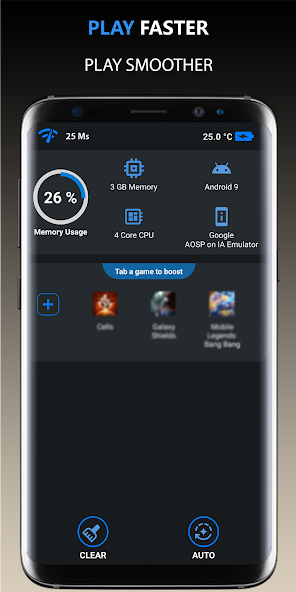
- Use Performance Booster Apps: There are various apps available on the Google Play Store that can help optimize your device for gaming. These apps can help manage resources and improve FPS in gaming.
Hardware Improvements
In some cases, software adjustments might not be enough, especially if your device is older or has lower specifications. Here are some hardware improvements you can consider:
- Upgrade Your Device: If you're still using an older model, consider upgrading to a newer device with better hardware capabilities. Brands like Samsung, Google, OnePlus, and Xiaomi have released models specifically designed for gaming that offer superior performance.
- External Accessories: Using accessories like game controllers, cooling pads, or even external storage devices can enhance your gaming setup. A game controller may provide more responsive controls, while a cooling pad can help prevent your device from overheating, which can lead to lag.
- Increase Storage: If your device is running low on storage, consider removing unused apps or transferring files to an external source. A device with ample storage space can improve overall performance.
Tips for Optimal Performance
Aside from the fixes mentioned above, maintaining optimal performance over time is crucial for uninterrupted gaming. Here are some additional tips:
- Regularly Clear Cache: Regularly clearing app caches can free up space and reduce lag. This can be done in the settings under storage management.
- Monitor Network Conditions: Use apps to monitor your internet speed and latency. If you're experiencing high ping, consider switching to a different network or using a wired connection if possible.
- Optimize Battery Settings: Battery saving modes can limit performance. Ensure that your device is set for high performance while gaming.
- Use Wi-Fi Instead of Mobile Data: Generally, Wi-Fi provides a more stable connection compared to mobile data, which can enhance your online gaming experience.
Conclusion
Game lag can be a significant barrier to enjoying your mobile gaming experience in 2026. By understanding the common causes of lag and implementing the practical solutions discussed, you can minimize interruptions and enjoy seamless gameplay on your Android device. Remember to optimize your software, consider hardware improvements, and apply the tips for maintaining optimal performance. Whether you're a casual gamer or a hardcore enthusiast, these steps will ensure you get the best out of your gaming experience.